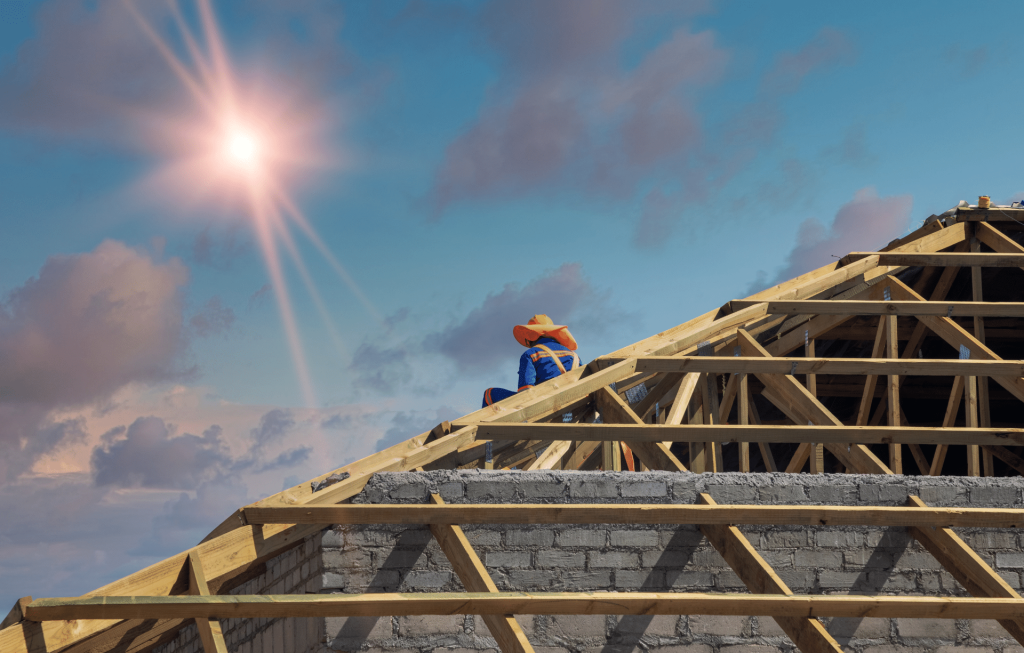
A roof installation is one of the most important structural upgrades a homeowner can make. A properly installed roof protects against moisture, wind, and temperature extremes while enhancing curb appeal and property value. However, mistakes during a roof installation project can lead to premature failure, costly repairs, and long term structural damage.
At Elite Roofing Sacramento, we believe informed homeowners make better decisions. Understanding the most common mistakes helps ensure your roof installation delivers lasting performance.
Choosing the Lowest Bid Without Reviewing Quality
One of the most common mistakes during a roof installation is selecting a contractor based solely on price. While staying within budget is important, an unusually low estimate can signal shortcuts in materials, labor, or preparation.
A professional roof installation requires high quality underlayment, proper ventilation, durable flashing, and experienced labor. Cutting corners often results in leaks, poor sealing, or reduced lifespan. Instead of focusing only on price, evaluate licensing, insurance, reviews, warranties, and experience.
Ignoring Proper Ventilation
Ventilation is critical during a roof installation. Without proper airflow, heat and moisture build up inside the attic, leading to mold growth, wood rot, and higher energy bills.
Poor ventilation can also void manufacturer warranties. During roof installation, contractors should assess intake and exhaust ventilation to ensure balanced airflow. Ridge vents, soffit vents, and attic fans may be recommended depending on the structure.
Overlooking ventilation may not cause immediate problems, but long term damage can be significant.
Skipping Underlayment Upgrades
Underlayment serves as a secondary barrier between shingles and the roof deck. Some homeowners overlook its importance during roof installation, assuming shingles alone provide sufficient protection.
High quality synthetic underlayment or ice and water shield materials offer improved moisture resistance. In areas prone to heavy rain or storms, upgrading underlayment can dramatically increase durability.
Neglecting this layer during roof installation increases vulnerability to leaks and water intrusion.
Reusing Old Flashing
Flashing protects areas where the roof meets chimneys, vents, skylights, and valleys. During roof installation, some contractors attempt to reuse old flashing to reduce costs.
This is a major mistake. Flashing deteriorates over time and may not seal properly with new materials. Replacing flashing during roof installation ensures watertight protection in the most leak prone areas.
A small savings upfront can lead to major repair expenses later.
Overlooking Structural Issues
Before roof installation begins, the roof deck and underlying structure must be inspected. Rotting wood, sagging areas, or damaged sheathing should be addressed before new materials are installed.
Installing shingles over compromised decking only hides the problem temporarily. A professional roof installation includes thorough inspection and necessary repairs to create a solid foundation.
Ignoring structural concerns reduces the lifespan of the entire system.
Failing to Secure Proper Permits
Some homeowners attempt to skip permits to speed up the process. However, roof installation often requires local building permits and inspections.
Permits ensure the work meets building codes and safety standards. Failing to obtain proper approval can create problems when selling the home or filing insurance claims.
Working with a reputable contractor simplifies this process and ensures compliance.
Improper Shingle Installation Techniques
Even high quality materials can fail if installed incorrectly. Common installation errors during roof installation include:
- Incorrect nail placement
- Overdriven or underdriven nails
- Improper shingle alignment
- Inadequate sealing
These mistakes weaken wind resistance and increase the risk of leaks. Skilled craftsmanship is essential to maximize the lifespan of your roof installation.
Not Planning for Weather Conditions
Weather plays a significant role in roof installation projects. Extreme heat, rain, or high winds can impact material performance and worker safety.
Scheduling roof installation during stable weather conditions improves curing, sealing, and overall quality. A professional contractor monitors forecasts and plans accordingly.
Ignoring Warranty Details
Many homeowners overlook warranty coverage during roof installation. There are typically two types of warranties: manufacturer warranties for materials and workmanship warranties from the contractor.
Understanding what is covered and for how long protects your investment. Make sure warranty documentation is provided and stored safely after roof installation is complete.
Final Thoughts
A roof installation is not a project where shortcuts pay off. Mistakes in ventilation, flashing, structural repair, or installation technique can reduce lifespan and create costly issues.
At Elite Roofing Sacramento, we approach every roof installation with precision, attention to detail, and a commitment to long term performance. By avoiding common mistakes and choosing experienced professionals, homeowners can enjoy reliable protection and peace of mind for years to come.
Proper planning, quality materials, and skilled installation make all the difference when it comes to protecting your home.